Welcome back to the PGP blog. In this blogpost you will find some suggestions for some tiny signs of the changing season you may spot when out in nature this October, the best places to find them and some playful suggestions for free activities to help you and the little people in your life feel closer to the green spaces around you.
What might you spot in October?
October marks the start of Autumn proper, and the signs of the new season are abundant and clear to see. The leaves of the trees around us are turning brown, orange, red and gold and beginning to fall. Crisp mornings and dusky evenings have arrived to settle us slowly into the oncoming colder weather.
Fungi Facts and Folklore:
Neither plant nor animal, fungi are their own separate type of being. In fact, the largest living being on Earth is a single fungus! Connected through a network known as the mycelium, fungi can send messages to others of their kind, as well as trees.
Long associated with all things magical and mystical, fungi feature heavily in local legends and wisdom. Did you know that mushrooms growing in a ring were commonly thought to be where ‘hobs’ (Yorkshire fairy folk), would gather to share stories, plan mischief and cast spells on mortals. If you see a ring of mushrooms, take care not to step inside, lest you upset the hobs!
The cooler temperatures combined with more frequent rainfall at this time of year mean fungi are easier to spot in Autumn. To spot a wide variety of fungal friends, why not head to the mini nature reserve in Pearson Park: Pearson Park Wildlife Garden.
Common fungi recently spotted around the East Riding of Yorkshire
Veiled Oyster
Sulfur Tufts
Crested Coral
Jelly Ear
Shaggy Ink Cap
Blushing Rosette
Spotted any new fungi in or around Hull? Tag us on Instagram to share!
Go for an Autumn walk and gather conkers, remember to leave some for the Squirrels!
Use a handheld screwdriver/hand drill to make a hole in the soft centre of the conkers
Make a knot at one end of your string.
Thread the string through the holes in the conkers until you have achieved the desired length for your garland.
Tie a knot on the other end once you have finished.
Hang your garland somewhere in your house to celebrate the season!
You could also add beads, bells, ribbon or any other bits you have at home to make your garland special.
Hedgehogs
Prickly on the outside, soft and fluffy on the inside, Hedgehogs are well loved in the UK, in fact they are consistently voted our favourite animals!
Sadly, Hedgehogs are currently critically endangered, with numbers at their lowest ever right now. This is believed to be due to the use of pesticides in farming, which has reduced the number of insects in the UK dramatically. As insects are their main food source, this is bad news for our spiny little friends!
If you want to help Hedgehogs in your community, you can try the following things:
Create a woodpile/stick pile – this will provide shelter for any visiting hogs and will attract insect life too!
Encourage more insects to your space by leaving out the pesticides and growing a variety of wildlife friendly plants.
You can leave out dry food such as meaty kitten biscuits and a dish of water
Although a common myth is that Hedgehogs like to drink milk, they are lactose intolerant! Water is fine.
PGP Diary – What’s happening this month?
21st October: We will be delivering a workshop at the Natural History Museum’s Playful Symposium. We are looking forward to sharing our work with delegates from museums across the UK.
24th/29th October:We will be hosting two level 1 Forest School training sessions at our beautiful site. We can’t wait to welcome students and professionals alike and support them on their journeys to becoming qualified Forest School Assistants. For more information on our training packages, please visit the following link: Forest School CPD.
Welcome back to the PGP blog. In this blogpost you will find some suggestions for some tiny signs of Summer you may spot when out in nature this August, the best places to find them and some playful suggestions for free activities to help you and the little people in your life feel closer to the green spaces around you.
What might you spot in August?
As we reach the peak of Summer, the tree canopy is at its fullest, providing some much-needed cooling shelter from the hot weather we have had recently! Whilst some wildflowers and plants are already turning to seed, others such as Butterfly favourite, Creeping Thistle (Cirsium Arvense), and delicate blue Harebells (Campanula Rotundifolia), are currently in full bloom. You might also be able to spot some ripe Blackberries on the bramble bushes commonly found in woodlands and parks. Why not collect some to take home and make a delicious Blackberry and Apple crumble? Yum!
Ragwort and Cinnabars
An often-misunderstood plant, Common Ragwort (Senecio Jacobaea) is a tall wildflower with clusters of yellow, daisy like flowers. The flowers can usually be found in many different habitats including meadows, roadsides, wasteland and grassland. Whilst Common Ragwort has earned something of a reputation due to the risks it can pose to grazing cattle and horses, it is also an environmentally significant plant, with a huge variety of insect species dependent on it for food and shelter. Read more about the myths and truth about this plant in this blog from Friends of the Earth: Is ragwort poisonous? A ragwort mythbuster.
Common Ragwort is the main food source for the Cinnabar Moth’s caterpillars. Look closely at one of these plants at this time of the year and you are likely to find at least one of these striking creatures munching away. With their bright gold and black stripes, these caterpillars are very easy to identify, and children love looking at them in a clean jar or bug catcher. Once hatched from their cocoon in Spring this small Moth puts on a beautiful display with it’s bright red and black wings. Sadly, due to the eradication of Common Ragwort, this species is in severe decline, making it even more important that we celebrate and protect these plants and insects!
Go outside: Find a quiet spot outside that makes you feel safe and relaxed. This doesn’t have to be in a Forest! You can do this in any green space.
Get comfy: Sit or lie down on your blanket or mat. Take some deep breaths and begin to observe what you see around you.
Use your senses: What can you feel? What can you smell? Are there any sounds that stand out to you? The more you sit very still, the more animals and creatures you are likely to see!
Stay in the present: When you feel your mind start to wander, breathe deeply through your nose and out through your mouth and bring your awareness back to what you see and feel around you. One way to deepen your breathing is to pretend you are blowing out the candles on the birthday cake of a very old tortoise!
Say thank you: Evidence suggests that practicing gratitude can benefit children’s mental health and wellbeing (Hall et al., 2024). The calming effects of time spent in nature make forest bathing an ideal time to practice gratitude. Spend some time at the end of your bathing session appreciating the beauty you can see around you.
PGP Hull Diary: What’s happening next?
Green Fingered Tots: We are pleased to announce we will be hosting some sessions with Green Fingered Tots at the Botanic Gardens on the 7th and 15th of August. To find out more please visit the following link: Green Fingered Tots – Hull and East Riding Mumbler
References:
Hall, A.H., Bache-Wiig, G. & White, K.M. Exploring the Impact of Gratitude Practice as a Protective Factor for Young Children. Early Childhood Educ J53, 759–767 (2025). https://doi.org/10.1007/s10643-023-01623-3
Welcome back to the Playful Green Hull blog. In this post, you will find some suggestions for some tiny signs of Summer you may spot when out in nature this July, the best places to find them and some playful suggestions for free activities to help you and the little people in your life feel closer to the green spaces around you.
What might you spot in July?
With the solstice just behind us, the days are at their longest, and we are certainly experiencing a considerable amount of sunshine! The opportunities for being outside and feeling closer to wildlife are endless this month, with plants thriving, insects at their busiest and birds such as House Martins and Swallows working hard to feed their babies; there is so much to look for!
Summer wildflowers
Mild and wet summers mean the UK is abundant in native wildflower species, and it is incredibly important that we treasure and protect these plants, which do a very important job supporting so many different creatures. Where a lot of the plants we choose to grow in our gardens have been changed by people and come from all over the world, wildflowers are unaltered by humans and have specially evolved to grow in the soil where we live.
There are a huge variety of British wildflowers you might see when out on a walk, or even from your car windows on a busy motorway! Why not use this free identification checklist and go on a wildflower spotting walk near you:
Both beautiful and dangerous, Foxgloves (Digitalis Purpurea) are a highly recognisable native plant with tall spikes of pink or purple flowers which tends to grow in woodland, as well as meadows, verges and gardens. It is best not to touch this plant, which is commonly used in medicines to treat heart problems but can be harmful if ingested directly. However, foxgloves are highly beneficial to wildlife. In fact, foxgloves have specially evolved to support specific species of bee, with the shape of the petals allowing the bee to land before crawling inside to collect the pollen. If you watch a while in summer, you will see lots of busy bees on their rounds visiting the foxglove flowers!
Also known as witches’ gloves, goblin’s gloves and dead men’s bells, foxgloves occupy a central role in British folklore, with many of the myths focussing on the shape of the flowers, which are said to look like the fingers of a glove. Historically, it was believed that mischievous fairy folk may have gifted foxglove flowers to foxes on the prowl, softening their footsteps and allowing them to sneak up on their prey!
July’s nature connection activity –Create your own nature journal
Keeping a nature journal can be a great way to connect with the animal and plant life around you and create a stronger sense of seasonal changes across the year. Emergent research findings also suggest a link between nature journaling and wellbeing, with increased opportunities to practice mindfulness being highlighted as a key benefit (McClain et al., 2024). If you work with young children as part of a professional or volunteering organisation and would like to participate in one of our nature journaling programs, please do reach out to us at PGP Hull via the contact information here on our website.
For this activity you will need:
Sketchbook/notebook
Pencils
Colouring pencils
Instructions
Go on a wildflower hunt:This could be anywhere local to you, even the verges around a car park can inhabit a wider range of species than you may realise!
Observe closely:You don’t need to know the names of the plants you are journaling about. This activity is more about noticing than knowing. Look closely at the shapes, colours and textures of the plant you are journaling about; do you notice anything different or interesting?
Engage your senses:Does your chosen plant have a scent? Do the leaves have a texture? How would you describe the colours you can see?
Make notes:You can use numbers, labels, pictures, maps, diagrams, poetry or narratives to describe what you can see.
Sketch:Remember that you are not focussing on drawing a pretty picture, you are trying to accurately record what you can see! You might like to draw parts of the plant such as leaves, petals etc separately, or from different angles.
Add details later:You can use your notes and sketches to identify and find out more about your journal entries later.
PGP Hull Diary: What’s happening next?
13th July: on the 13th the PGP team will be catching up with the first cohort of our Nature Journaling project. We simply cannot wait to hear all about what the first little nature journalists have been up to and have a look through their journals! We will also be celebrating with this group and honouring their efforts over the past few months. If you are a school/setting/community group working with young children and would like to find out more about how you can participate in the project, please contact us at ForestSchoolHull@hull.ac.uk
Maintenance throughout July:As a staff team, we’re working to beat back the bramble, and ensure all of our play equipment remains accessible to children. It’s always a battle between biodiversity and keeping our site accessible and available for use.
References:
McClain, L. R., Powell, A. E. and Bettwy, K. A. (2025) ‘Community nature journaling: wellbeing and learning outcomes for adult and youth participants’, Journal of Adventure Education and Outdoor Learning, 25(1), pp. 282–300. doi: 10.1080/14729679.2024.2425933.
Welcome back to the PGP blog. In this blog post, you will find some suggestions for some tiny signs of Summer you may spot when out in nature this June, the best places to find them and some playful suggestions for free activities to help you and the little people in your life feel closer to the green spaces around you.
What might you spot in June?
We are now moving into the summer season, and days are getting warmer and longer. Why not take advantage of the lighter evenings and go for a nature walk around your local area after dinner? Recent research has suggested that time spent with parents in nature appears to positively impact children’s sleep quality (Kokkonen et al., 2021), meaning the added bonus of more rest for the whole family!
Elderflower
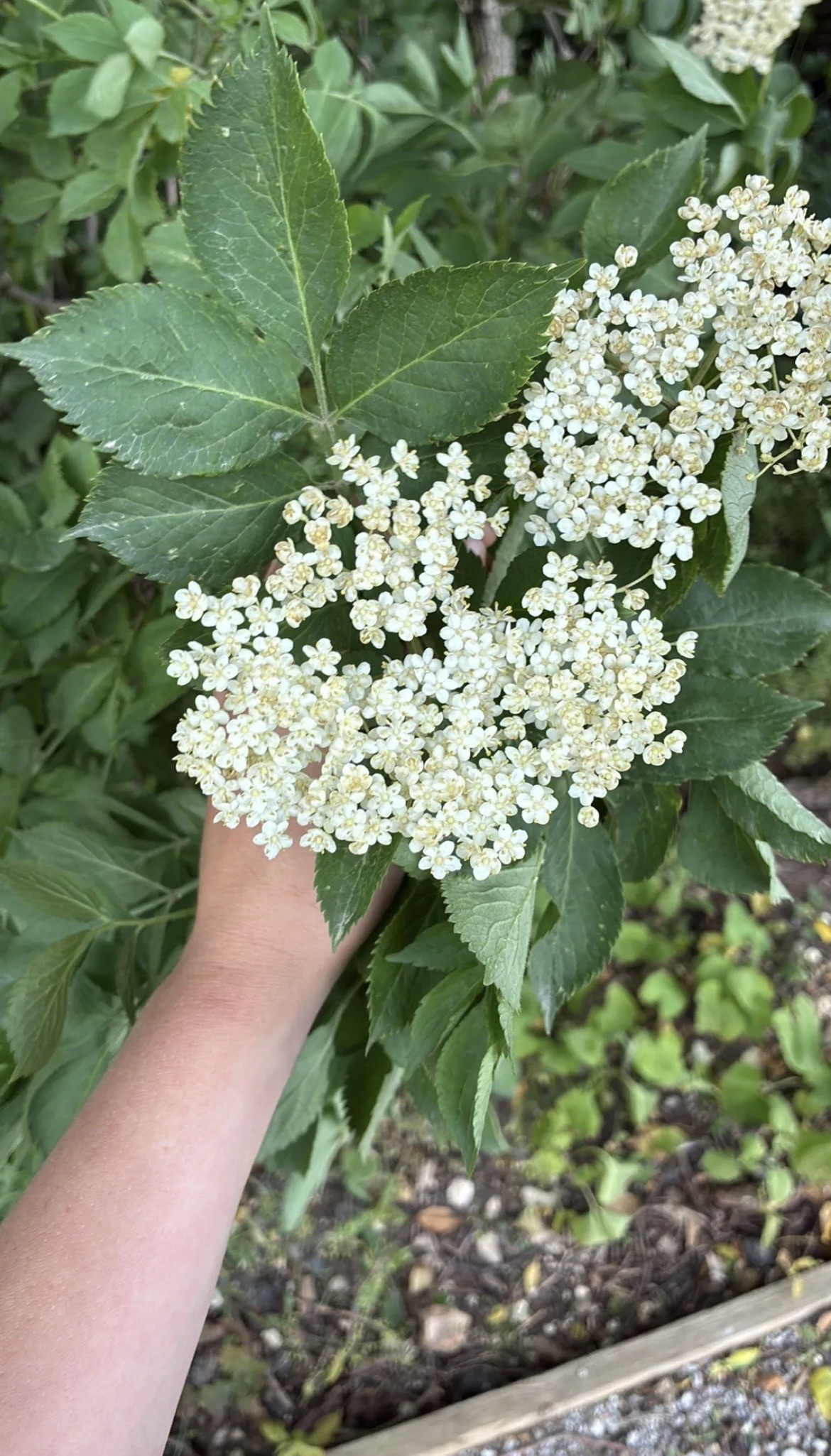
The Elder tree (Sambucus Negra) is a native and widespread small tree. Hugely resilient, you will find Elder growing in a variety of habitats; in fact, it is known to thrive almost anywhere and to grow very quickly. With its abundant and tasty blossoms in Spring, its delightful berries in early Autumn and its branches which were historically used in fire lighting, it comes as no surprise that Elders hold a prominent position in Folklore across Ancient Europe. Commonly associated with major goddesses and fairy communities in many Pagan traditions, Elder is frequently understood to symbolise rebirth and renewal.
The delicate flavour of Elderflower makes it a popular choice for foragers, and you can follow our recipe below to make a refreshing summer cordial for all the family to enjoy. When foraging for elderflower, take care not to pick all your blooms from one tree, making sure to leave some for pollinators. You can recognise Elder trees by observing the leaves, which grow in sets of five. You can also look at the shape of the blossoms, which grow in tight, flat clusters of five-petalled cream-coloured flowers. The strong and distinctive scent of the Elderflower blossoms also aids identification.
Now is the perfect time to make this delicious summery syrup, which can be used as a cordial by mixing with water, as well as to flavour cakes and desserts. This would also make a lovely seasonal gift for a friend or family member. Just make sure a grown-up is on hand to help!
Debug your blooms:To rid your elderflower of any creatures who may be sheltering in them, spread a sheet of paper on a table (preferably outside). Prop your container of flowers upside down over the paper; any insects will then crawl out towards the light and remain unharmed. You may also wish to rinse your blooms. However, doing so will reduce the flavour of your syrup slightly.
Make the syrup:Bring the water and sugar to a simmer in a large pan. Add the elderflower and lemon slices (we also added some rose petals for a subtle floral flavour). Leave this to continue simmering for 30 minutes.
Infuse:Turn off the heat and allow the mixture to steep for a further 4 hours to let the flavour develop.
Strain and bottle:Place a clean tea towel in the bottom of a colander and place this over a clean container. Strain the mixture through, you should now have a clear, golden liquid. Decant into sterilised bottles/jam jars and label.
Enjoy!This syrup should keep for a couple of months in the fridge.
PGP Hull Diary: What’s happening next?
Wave and Willow Wednesday sessions:
Wave and Willow run weekly sessions for home-educated children at our site in the Botanic Gardens every Wednesday, from 1-3 pm. All sessions are £10 per child. To book, please message Tasha on +44 (0)7788 405093
References:
Kokkonen, J. M., Vepsäläinen H, Abdollahi A, Paasio H, Ranta S, Erkkola M, Roos E, Ray C. (2021) ‘Associations between parent-child nature visits and sleep, physical Activity and weight status among Finnish 3-6-year-olds’, International Journal of Environmental Research and Public Health, 18(23), p. 12426. doi: 10.3390/ijerph182312426.
Welcome back to the PGP blog. In this blog post, you will find some suggestions for things that you might spot when out in nature this May, the best places to find them and some playful suggestions for free activities to help you and the little people in your life feel closer to the green spaces around you.
Spring Event
On the 25th of April, we opened the gardens to the community and welcomed many lovely families to share in some magical nature play. The sun was out, the flowers were blooming, and a range of activities were on offer, including spring flower pounding (where children created stunning prints to take home), mask-making (which resulted in some fabulous creations being worn around the event), nature painting, clay play, and so much more.
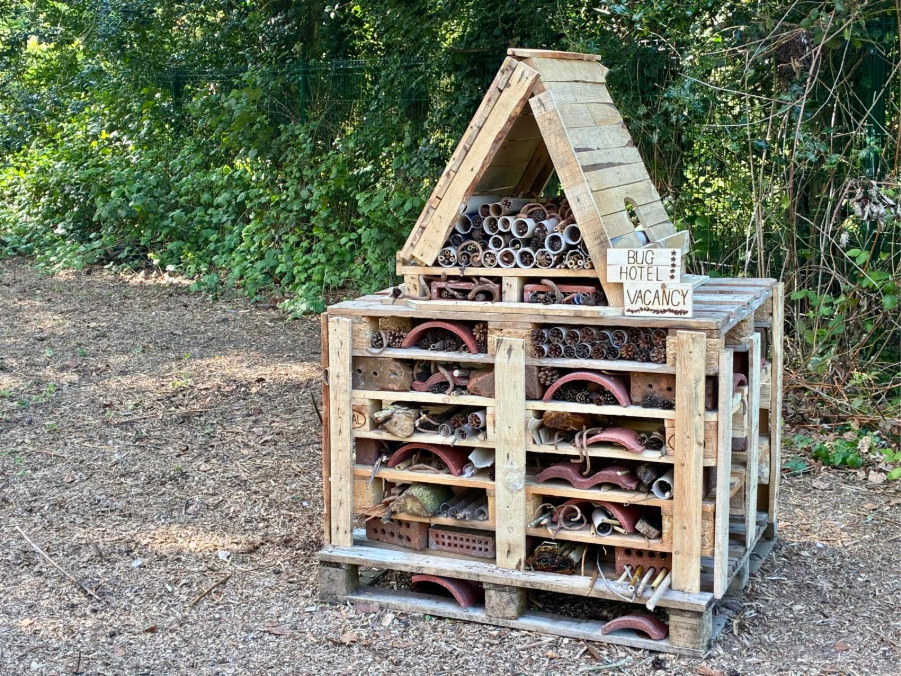
Families were also invited to contribute to some co-design opportunities on the day, including helping us to build a giant bug hotel, which had already started welcoming its first residents by the end of the afternoon. Attendees also worked with professional storyteller Alan Raw to create some magical Spring tales in our new story circle under the shelter of our giant ’octopus’ tree!
Thank you to all those who joined us and to our fantastic volunteers for all their hard work in creating another fantastic day for all in our community!
What might you spot in May?
We are now in the middle of the Spring season, and signs of new life and colour are all around us. When out and about with your little ones, here are some of the May treasures you might be able to spot together.
Buttercup
The Meadow Buttercup (Ranunculus Acris) is a fond and familiar sight at this time of year, with its glossy yellow petals making it easy to spot. You can find this native plant in grasslands, meadows and pastures. Indeed, you will most likely be able to spot it around this time of year on a walk in your local park. Buttercups are members of a very old family, with species of Ranunculus found in 20-million-year-old fossils! You have probably held one of these flowers up to your friend’s chin to see if they like butter! But did you know that the name buttercup comes from an old belief that cows grazing in fields with buttercups growing made the creamiest butter? Funnily enough buttercups are poisonous to cows, meaning they will avoid eating them, thereby increasing the number of buttercups growing in the field!
Common Blue Butterfly
Emerging in May, the Common Blue (Polyommatus Icarus), is the most common blue butterfly in the UK. These insects are found in a variety of different habitats, but can be most easily spotted in sheltered and sunny spots. A small butterfly, it is distinctive for its bright blue colouring, and caterpillars like to feed on Common Birds-foot Trefoil (Lotus corniculatus), which is a very common and widespread wildflower which you may find in parks and on grass verges.
If you would like more information and resources on Butterfly spotting across Hull, check out Hull Butterfly City Hull Butterfly City.
Choose a spot: Head to a sheltered and sunny local area (Priory Meadows is a particularly good spot for butterfly spotting: with a good variety of wildflowers and weeds, as pollinators butterflies of all species are attracted to a diversity of flowering plants).
Don’t rush: You could walk at a leisurely pace, keeping your eyes peeled and staying curious. You could also find a comfy spot to sit and watch and see what happens.
Approach with caution: Butterflies are shy creatures and scare easily! Take care not to move suddenly or to cast shadows over them as this can frighten them. If you want to get a closer look, approach very slowly and carefully.
Documenting your finds: If you would like to identify the butterfly species you find, you might like to take a photograph so that you can remember the details of its wings, its size and colour better. You could also make a drawing of what you find – why not keep a butterfly journal over the Summer?
PGP Hull Diary: What’s happening next?
Early Years Daily Mile Launches at the Botanic Gardens
The Early Years Daily Mile will launch on 30 April at the Botanic Gardens in partnership with the Northern Branch of the London Marathon Charity, bringing schools and nurseries around Hull together to celebrate everyday movement and wellbeing alongside the ambassadors of Peppa Pig and her family.
The event invites children to take part in some nature-based activities and be involved in completing a simple mile (or 15 minutes!) of movement around the garden, reinforcing the message that regular physical activity should be accessible, enjoyable, and inclusive. By linking local school and nursery participation with the London Marathon, the initiative highlights how small daily actions can contribute to the wider well-being of children around Hull.
Maternal Mental Health Week Family Picnic:
We will be hosting a picnic for Maternal Mental Health Week on 7thMay in collaboration with Together in Nature from 4.00 pm – 6.00 pm at The Botanic Gardens. Book your ticket via the Eventbrite.
Wave and Willow Home educator sessions:
From the 20th of May Wave and Willow will be hosting their home education sessions on Thursday afternoons at our site in the Botanic Gardens. See here for more information: Explore Our Nature-Based Activities | Wave and Willow
In this post you will find some suggestions for some tiny signs of Spring you may spot when out in nature this April, the best places to find them and some playful suggestions for free activities to help you and the little people in your life feel closer to the green spaces around you.
What might you spot in April?
We are now in the middle of the Spring season, and signs of new life and colour are all around us. When out and about with your little ones, here are some of the April treasures you might be able to spot together.
As the nation’s favourite wildflower, bluebells (Hyacinthoides non-scripta) are a popular native species. Usually appearing in woodlands around the first half of April, around half of the world’s population of bluebells are resident to the UK! The vibrant blue of these flowers along with their distinctive and delicate ‘bell’ shaped petals and sweet scent make bluebells one of the most loved Spring spectacles that nature offers us. There are many examples of local and regional folklore centred around bluebells; commonly believed to be used by the fairy folk as tiny bells to call fairy gatherings, take care to listen extra carefully when in a bluebell wood! To see these magical flowers for yourself, head down to Burton Bushes in Beverley Westwood. Please remember that, as a protected species, it is illegal to pick Bluebells.
Generally considered a weed, the common dandelion (Taraxacum Officinale) is a powerhouse for Spring pollinators and increasing biodiversity in urban environments. Dandelions flower across the whole year, but peak flowering occurs from April to June. You should be noticing these distinctive spots of sunny yellow popping up on grass verges, in parks and, of course, in your back garden! Whilst lots of effort is spent on trying to kill these plants using pesticides, dandelions are an excellent source of nutrition for humans too, with the whole plant (roots, petals and leaves) being deliciously edible and high in vitamins. Please note that, due to the amount of pesticides used on them, it is best to forage for these plants in your own back garden, a friend’s
Go for a short walk to any grassy patch close to you, you will find plenty of dandelions! Collect some of the dandelion heads in a bag or basket, remember to leave some for the bees!
Use your pestle and mortar (or a rock and a chopping board will also work), to grind the petals into a smooth paste – you may need to help any little ones to apply enough pressure to do this!
Add a teaspoon or two of hot water to your petal paste before continuing mixing and crushing the mixture.
Once you have achieved the consistency and colour you’re looking for, leave the mixture to settle for about 20 minutes. This will allow your colour to deepen.
Have fun creating with your home-made dandelion paint!
PGP Hull Diary: What’s happening next?
Spring Event:
On the 25th of April, we will be hosting our Springtime event down at the Botanic gardens. Please join us with your children for a day filled with nature crafts, storytelling and creative play! You can find more information here: Upcoming Events
Earth Day celebration:
On the 22nd April we will be celebrating the Earth’s birthday down at the Botanics, joined by children and their teachers we will be learning all about plants and the small creatures who live in the garden.
London Marathon mini:
On the 30th of April we will be hosting the launch of the Hull Mini Marathon event. We will inviting local settings and schools to join us with their children and learn how to get involved.
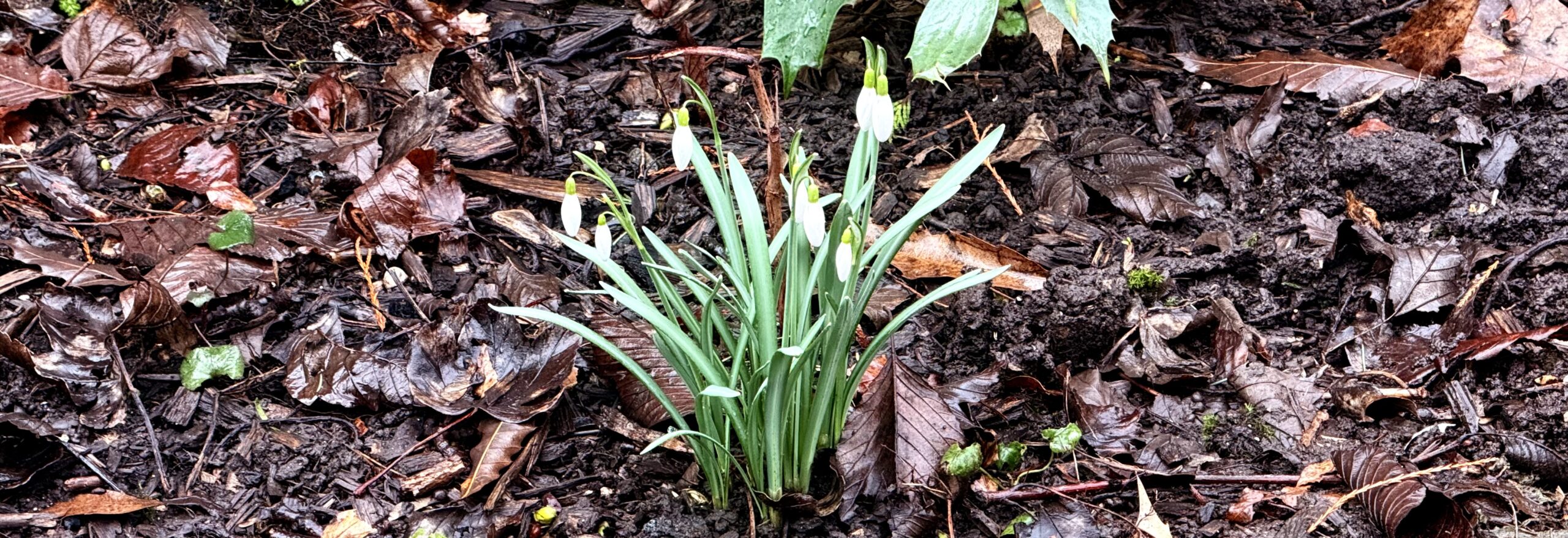
Happy 2026 and welcome back to the PGP blog. Spring is here, and the Earth is starting to wake up. In this blogpost you will find some suggestions for some tiny signs of Spring you may spot when out in nature this month, the best places to find them and some playful suggestions for free activities to help you and the little people in your life feel closer to the green spaces around you.
What might you spot in March?
After the long, cold nights of the Winter months, March signals the start of the Spring season. When out and about with your little ones, here are some of the signs of Spring you might be able to spot together.
With their early blooming season, wood anemones (Anemonoides Nemorosa) are a seasonal star (small and bright white, their petals really do make them look like a shower of fallen stars!), usually appearing before the leaf canopy has closed overhead. Wood anemones are known to be very slow-growing, only spreading around 6 feet per century, making them a sign that you are in very old woodland. In parts of Derbyshire, wood anemone is traditionally nicknamed ‘moggie nightgown’, with moggie being a pet name for mice. Can you imagine a tiny mouse wearing pyjamas made of anemone petals? To see these special spring flowers for yourself, why not take a stroll through Hull General Cemetery? You can find more information on the cemetery and the wide variety of wildlife you can find there on their website: The Friends Of Hull General Cemetery
At this time of year, nature also brings us a foraging feast in the form of wild garlic, or ramsons (Allium ursinum). This tasty plant likes to carpet shady wooded areas and is distinctive for its strong garlic-like smell. As an early spring flower (ramsons are best tasting before the appearance of their small white flowers), wild garlic is an important plant for pollinators and its presence is a sign that we may be in ancient woodland. You can find plenty of wild garlic (in addition to other early spring wildflowers) lining this circular woodland walk in Cottingham: Explore Jilly Wood circular (AllTrails).
Easy Wild Garlic Pesto recipe
(Recipe adapted from ‘foraging with kids’ by Adele Nozedar)
Ingredients
100 grams Wild Garlic leaves (washed and patted dry)
50 grams strong cheese (Parmesan or Cheddar will do nicely)
50 grams toasted pine nuts or cashews (optional)
1tbsp olive oil (optional)
Season to taste
Method
Add all ingredients (except the olive oil) to a blender and whizz to desired consistency.
Add to pasta, cheese toasties or spread over pizza as an alternative to tomato! If wanting to store for later, transfer to a sterilised and airtight container and pour the tbsp of oil over the top where it should keep for a week.
A note on foraging for ramsons:
Whilst there are some similar-looking, non-edible plants which could be mistaken for wild garlic, they do not share the distinct garlicky aroma that this plant emits! If in doubt, follow your nose.
Take only what you need, leave plenty for fellow foragers.
Use scissors or a pen knife to cut the leaves 1-2 inches above the ground.
Something to secure your finds to the stick (elastic bands, hairbands, a piece of string).
Go on a walk! This could be around your local estate, a park close to where you live or on a day trip somewhere further away. This activity is great for exploring and noticing how nature shows up in urban, rural and coastal areas.
As you explore, collect any loose natural specimens you notice around you and secure them to your stick. You might find feathers, leaves or flowers. Once your wand or your walk is complete, take a close look at your wand. What kinds of things have you collected over the course of your journey? Can you tell the story of your wand?
PGP Hull Diary: What’s happening next?
Spring Event: The PGP Hull team are in the process of planning our Spring event, which will take place in the Botanic Gardens on the 25th of April. After the success of our Autumn event, we are looking forward to welcoming you all back for more nature-based storytelling, craft and play in our beautiful green space.
Earth Day celebration:On the 22nd April, we will be celebrating the Earth’s birthday down at the Botanics, joined by children and their teachers, we will be learning all about plants and the small creatures who live in the garden.
London Marathon mini:On the 30th of April, we will be hosting the launch of the Hull Mini Marathon event. We will invite local settings and schools to join us with their children and learn how to get involved.
Maternal Mental Health Week Picnic:We will be hosting a picnic for Maternal Mental Health Week beginning on the 9th May in collaboration with Together in Nature. Keep your eye on our website for more information.
References:
Nozedar, A. and Harper, L. (2018). Foraging with kids: 52 wild and free edibles to enjoy with your children. London: Nourish, an imprint of Watkins Media Limited.
Welcome back to the PGP blog. This post details our Summer family feast and the launch of our new tree trail. Continue reading to find out more about all the fun we had and see some photos from the event which was a resounding success.
Tree Trail
During the event we launched our new Tree Trail. Visitors to the gardens can now use our map to navigate a path around the site and learn facts both whimsical, historical and scientific about some of our beautiful trees.
Keen observers may also spot some hidden creatures who have taken up residence in their branches so look carefully! Grown-ups and little ones alike loved exploring the site on the day and using the map to make sure they ticked off all the trees.
Family Feast
Families who attended helped to prepare some delicious food, (much of it homegrown by our star grower Cathy!) and to cook it over our firepit with many of the children using fire lighting flints to get the fire going.
Plenty of marshmallows were toasted for afters and made into delicious smores – our youngest attendees were particularly enthusiastic about taking part in this activity!
Highlights
Here at Playful Green Hull we are particularly lucky to have a fantastic forest water run on site which inspired an impromptu family water fight! Luckily the weather was on our side and everyone dried off quickly.
Families also enjoyed using our bug and minibeast hunting resources to find small creatures who have formed habitats across our site. And it wouldn’t be a Playful Green Planet get together without some very impressive tree climbing!
Save the date!
On the 25th of October we will be hosting our official launch event at the Botanic Gardens. This PGP launch event will provide opportunities to set intentions for the Autumn and Winter seasons ahead, with a little help from the local fairies! Families will have opportunities to create magical seasonal crafts, enjoy some cosy Autumnal refreshments and celebrate all that Autumn has to offer through the power of storytelling, song and nature. Come and join us, (spooky) fancy dress encouraged!
We are still finalising the details for this event so watch this space to find out more and book your place!
Welcome to the PGP blog. This is the first of what will be a regular series of posts, exploring ideas close to the project and providing you with any updates on what’s going on onsite!
Who are we?
We are a small team of academics from the School of Education at the University of Hull who are passionate about connecting children and people from across the local community with nature. We are based in the Botanic Gardens at Thwaite Hall, where we have historically trained many professionals across the education community to become Forest School practitioners. For this project, we are working closely with the Royal Society of Arts, in close collaboration with The Eden Project and Bath Spa University.
What is PGP?
Playful Green Planet is a National landmark project funded by the National Lottery Community Fund. Currently in the pilot phase, Hull is lucky enough to have been included in the project, alongside Dundee, as one of the first two sites nationally.
The PGP project aims to connect children with nature, using community driven approaches combined with creative play in the great outdoors. The project seeks to support the transformation of previously underutilised green spaces locally, to maximise the benefit of project sites for both children and the environment.
Many terms have been used to describe humanity’s need to be close to the natural world. ‘Biophilia’ refers to the innate desire of all humans to be surrounded by biological and natural life (Gunnarsson and Hedblom, 2023). The concept of ‘awe’ suggests that humans have a greater capacity for feeling wonder and marvel when observing natural spectacles, both big and small, than in other areas of life (Ballew and Omoto, 2018).
Evidence suggests that spending time in the great outdoors can have positive impacts on our wellbeing and mental health, as well as the physical benefits of being more active in the fresh air (Roberts et al, 2020). Research findings demonstrate that people may even experience less boredom in natural spaces (always a win for parents!) (O’Dea et al., 2025). However, humans spending time in nature can have a positive impact on green spaces too. The closer we feel to the natural world and the greater our understanding of it, the more we want to protect and preserve it.
Despite the positive implications for both nature and people, findings suggest that overall, we are spending less time outside than ever, with numbers having dropped after a temporary peak during the Covid-19 pandemic (Office for Natural Statistics, 2023). Children from families with lower household incomes are particularly impacted, with almost three quarters of children whose annual household income totals less than £17,000 spending less time outdoors, despite 8 in 10 children stating that time in nature makes them very happy (Natural England, 2021).
At a time when climate change poses a major threat to both the human and natural world, it has never been more significant that we seek to heal our relationship with nature (Forest Stewardship Council, 2024). The PGP project team here at Hull believe that it is crucial that children are offered opportunities to develop positive relationships with nature through what they know best – play!
By offering children from across Hull a space to have playful interactions with the natural world, the PGP project can support them to harness positive benefits such as an increased capacity for exercising agency, including increased critical thinking skills and self-reflection (Gjelvik et al., 2024). A wide range of research findings also suggest that time spent playing in green spaces allows children to develop improved creativity, owing to factors such as more time spent alone, disconnection from technologies and the relaxing and inspirational qualities provided by natural spaces (Vella-Brodrick et al., 2024).
What’s happening next?
PGP Hull are on a mission to support as many children from across our city as possible to spend time in our beautiful green space at Thwaite Gardens. We are in the early stages of running regular sessions with local schools and private settings. If you and your setting or community group would like to participate in the project, please drop us a message as we would love to connect with you!
We are lucky enough to have the support and wisdom of some of the most inspiring partners from across Hull in the form of our co-design council. If you are an organisation or group working in the Hull area with a focus on the arts, nature or childhood and would be interested in joining the council, please reach out for further discussion.
Events
On the 19th of August from 4:30-6:30 pm, we will be hosting a Family Feast event and Tree Trail. During the event, we will be doing some campfire cooking – making a healthy, plant-based meal of veggie skewers over our firepit. With toasted marshmallows for dessert! Families from across the community are welcome to join us and spend time playing across our whole site and completing our tree trail. Please email us at ForestSchoolHull@hull.ac.uk to let us know if you will be coming and make us aware of any dietary requirements.
We are currently in the process of planning our launch event which will take place at the Botanic Gardens on the 25th of October. The event will see us collaborate with our partners to bring you a fun-filled day of seasonal, nature-based crafts, play and entertainment.
Watch this space for more information!
References:
Ballew, M.T. and Omoto, A.M., 2018. Absorption: How nature experiences promote awe and other positive emotions. Ecopsychology, 10(1), pp. 26-35. Available at: https://doi.org/10.1089/eco.2017.0039 [Accessed 25 July 2025].
Forest Stewardship Council, 2024. Why is sustainability important? [online] FSC. Available at: https://fsc.org/en/blog/why-is-sustainability-important#Why%20is%20sustainability%20important? [Accessed 25 July 2024].
Gjelvik, I. G., Hauge, Å. L., Lindheim, M. Ø., Johansen, E. H., & Johnsen, S. Å. K., 2024. Affordances for agency in a nature-based outdoor activity program: a qualitative study of ‘Nature school’ for childhood critical illness survivors and next of kin. Journal of Adventure Education and Outdoor Learning, pp. 1–22. Available at: https://doi.org/10.1080/14729679.2024.2386342 [Accessed 25 July 2025].
Gunnarsson, B. and Hedblom, M., 2023. Biophilia revisited: nature versus nurture. Trends in Ecology & Evolution, 38(9), pp. 792-794. Available at: https://doi.org/10.1016/j.tree.2023.06.002 [Accessed 25 July 2025]
O’Dea, M.K., Militaru, I.E., Igou, E.R., Rentfrow, P.J., Barrett, I. and van Tilburg, W.A.P., 2025. Nature adds color to life: Less boredom in natural versus artificial environments. Journal of Experimental Psychology: General, 154(8), pp. 2220–2240. Available at: https://doi.org/10.1037/xge0001764 [Accessed 25 July 2025].
Roberts, A., Hinds, J. and Camic, P.M., 2019. Nature activities and wellbeing in children and young people: a systematic literature review. Journal of Adventure Education and Outdoor Learning, 20(4), pp. 298–318. Available at: https://doi.org/10.1080/14729679.2019.1660195 [Accessed 25 July 2025]
Vella-Brodrick, D.A., Lewis, K.J. & Gilowska, K., 2024. Exploring the nature-creativity connection across different settings: A scoping review. Educational Psychology Review, 36, pp. 134. Available at: https://doi.org/10.1007/s10648-024-09964-0 [Accessed 25 July 2025].