
Welcome!
Welcome back to the PGP blog. In this blog post, you will find some suggestions for some tiny signs of Summer you may spot when out in nature this June, the best places to find them and some playful suggestions for free activities to help you and the little people in your life feel closer to the green spaces around you.
What might you spot in June?
We are now moving into the summer season, and days are getting warmer and longer. Why not take advantage of the lighter evenings and go for a nature walk around your local area after dinner? Recent research has suggested that time spent with parents in nature appears to positively impact children’s sleep quality (Kokkonen et al., 2021), meaning the added bonus of more rest for the whole family!
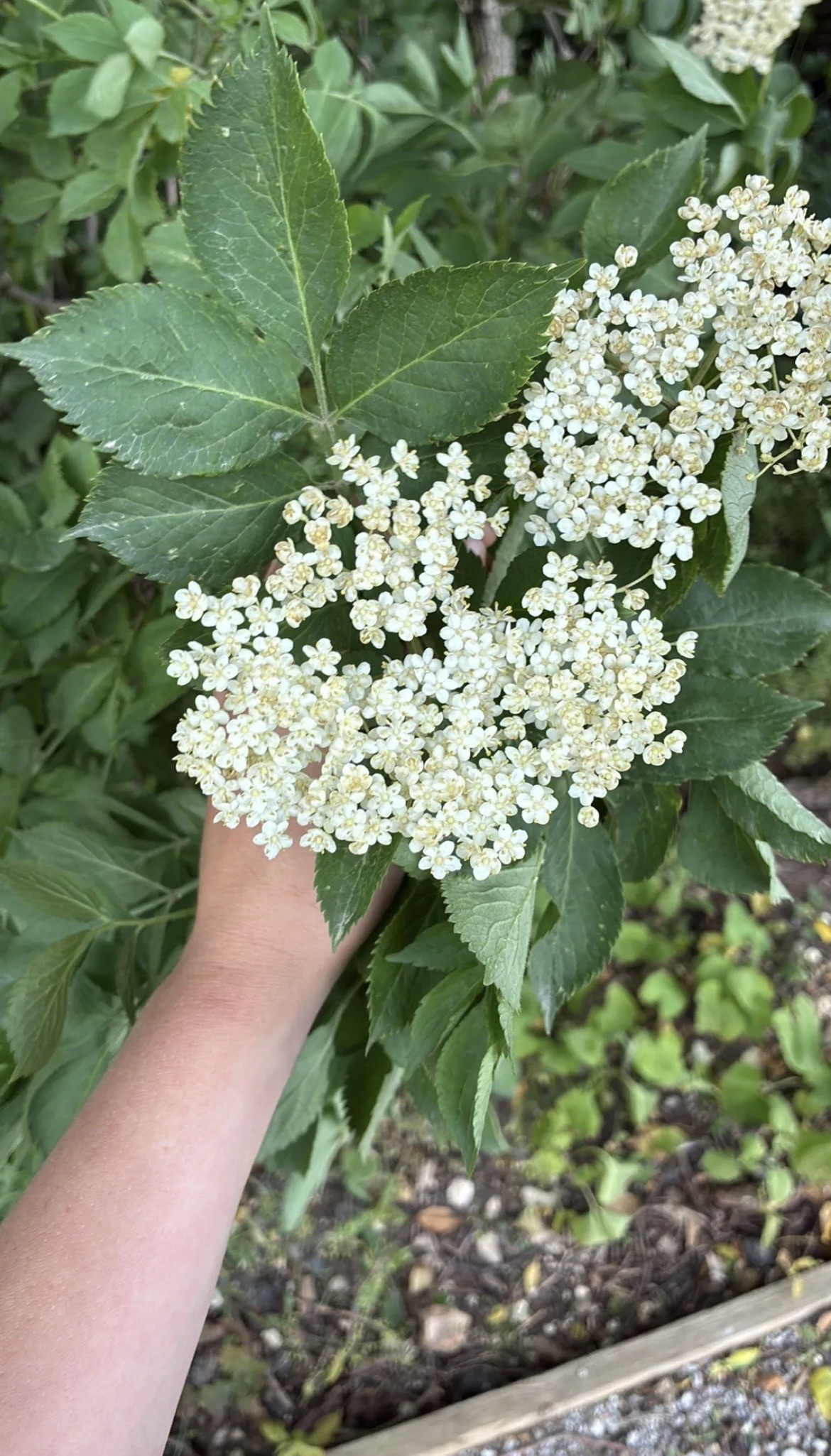
Elderflower

The Elder tree (Sambucus Negra) is a native and widespread small tree. Hugely resilient, you will find Elder growing in a variety of habitats; in fact, it is known to thrive almost anywhere and to grow very quickly. With its abundant and tasty blossoms in Spring, its delightful berries in early Autumn and its branches which were historically used in fire lighting, it comes as no surprise that Elders hold a prominent position in Folklore across Ancient Europe. Commonly associated with major goddesses and fairy communities in many Pagan traditions, Elder is frequently understood to symbolise rebirth and renewal.
The delicate flavour of Elderflower makes it a popular choice for foragers, and you can follow our recipe below to make a refreshing summer cordial for all the family to enjoy. When foraging for elderflower, take care not to pick all your blooms from one tree, making sure to leave some for pollinators. You can recognise Elder trees by observing the leaves, which grow in sets of five. You can also look at the shape of the blossoms, which grow in tight, flat clusters of five-petalled cream-coloured flowers. The strong and distinctive scent of the Elderflower blossoms also aids identification.
June’s nature connection activity – Elderflower syrup
Now is the perfect time to make this delicious summery syrup, which can be used as a cordial by mixing with water, as well as to flavour cakes and desserts. This would also make a lovely seasonal gift for a friend or family member. Just make sure a grown-up is on hand to help!
You will need:
- 15 heads of elderflower
- 500g sugar
- 1 lemon
- 1 litre of fresh boiled water


Instructions
Debug your blooms:To rid your elderflower of any creatures who may be sheltering in them, spread a sheet of paper on a table (preferably outside). Prop your container of flowers upside down over the paper; any insects will then crawl out towards the light and remain unharmed. You may also wish to rinse your blooms. However, doing so will reduce the flavour of your syrup slightly.

Make the syrup:Bring the water and sugar to a simmer in a large pan. Add the elderflower and lemon slices (we also added some rose petals for a subtle floral flavour). Leave this to continue simmering for 30 minutes.
Infuse:Turn off the heat and allow the mixture to steep for a further 4 hours to let the flavour develop.
Strain and bottle:Place a clean tea towel in the bottom of a colander and place this over a clean container. Strain the mixture through, you should now have a clear, golden liquid. Decant into sterilised bottles/jam jars and label.
Enjoy!This syrup should keep for a couple of months in the fridge.
PGP Hull Diary: What’s happening next?
Wave and Willow Wednesday sessions:
Wave and Willow run weekly sessions for home-educated children at our site in the Botanic Gardens every Wednesday, from 1-3 pm. All sessions are £10 per child. To book, please message Tasha on +44 (0)7788 405093
References:
Kokkonen, J. M., Vepsäläinen H, Abdollahi A, Paasio H, Ranta S, Erkkola M, Roos E, Ray C. (2021) ‘Associations between parent-child nature visits and sleep, physical Activity and weight status among Finnish 3-6-year-olds’, International Journal of Environmental Research and Public Health, 18(23), p. 12426. doi: 10.3390/ijerph182312426.
Leave a Reply