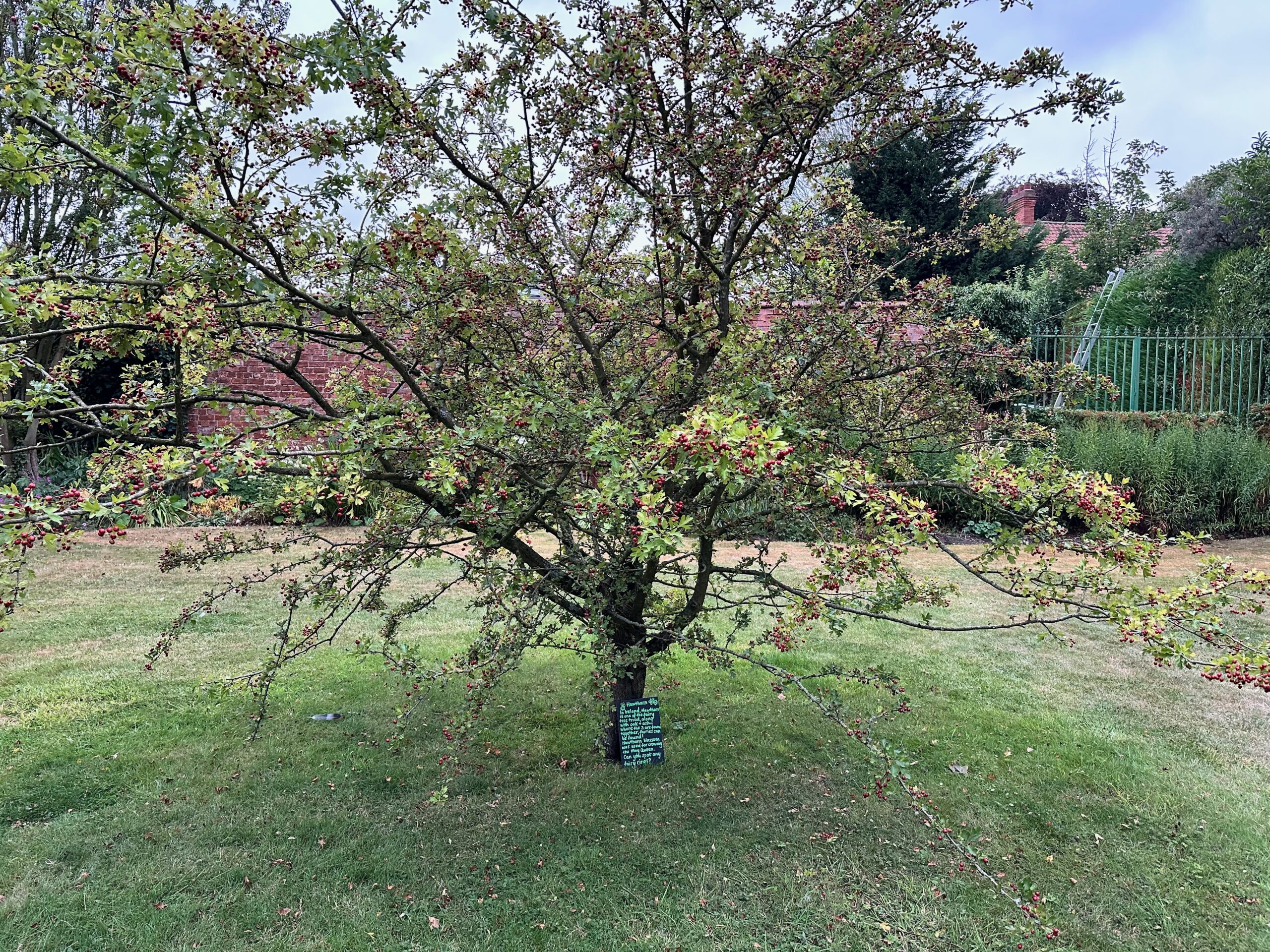
As summer fades into autumn, our hedgerows begin to change. One tree in particular puts on a beautiful seasonal display: the hawthorn. Its bright red berries, known as haws, stand out against the green leaves and provide an important food source for birds and other wildlife as the weather cools.
At Playful Green Hull, we love finding ways to help children connect with the natural world, and hawthorn offers plenty of opportunities for curiosity, creativity and outdoor learning.

A simple walk becomes an adventure when children are encouraged to notice:
•How many berries can they spot?
•Which birds might be eating them?
•How does the tree change through the seasons?
•What creatures might live among its branches?
These observations help children develop curiosity, environmental awareness and a deeper connection to place.
Nature’s Storyteller
Hawthorn is often called the “fairy tree” in folklore and has been part of the British landscape for centuries. Its twisted branches, changing leaves and colourful berries invite children to look closely, ask questions and imagine stories.
Hawthorn reminds us that nature is constantly changing. In spring, it produces beautiful white blossoms. By autumn, these have transformed into clusters of red berries. By watching the same tree throughout the year, children begin to understand seasonal cycles, biodiversity and the interconnectedness of living things.
The most valuable lesson hawthorn teaches us may be that nature’s treasures are often hidden in plain sight. A hedgerow that we pass every day can become a place of discovery, wonder and learning when we pause to look more closely. Outdoor play does not always require special equipment or planned activities. Sometimes all that is needed is time.
Hawthorn Berry Tea
(For Adults to Prepare)
Traditionally, hawthorn berries have been used in herbal teas. If you have experience identifying and preparing wild foods safely, this simple recipe is a lovely way to celebrate the season.
Always ensure berries are correctly identified and prepared safely before consumption!

For this activity you will need:
- A handful of ripe hawthorn berries
- 500ml water
- Honey (optional)


Instructions:
Wash the berries thoroughly.
Gently crush them.
Simmer in water for 15-20 minutes.
Strain and serve warm with a little honey if desired.
A Playful Green Challenge
This month, choose a local hawthorn tree or hedgerow and visit it regularly. Notice how it changes, who visits it and what stories it might tell. Take photos, sketch what you see or keep a simple nature journal.
You may be surprised by how much learning, wonder and connection can be found in something as ordinary as a hedgerow tree.
Following the Swallows: Nature’s Great Autumn Journey
As September unfolds, many of us notice subtle changes in the natural world. Leaves begin to turn, mornings feel cooler, and across our skies one of nature’s most remarkable journeys is about to begin. Swallows and house martins, familiar summer visitors to the UK, are preparing for an extraordinary migration to Africa.

For children, it can be hard to imagine that a small bird weighing less than a chocolate bar can travel thousands of miles. Yet every autumn, swallows and house martins leave the UK and head south, crossing countries, seas and deserts before reaching their winter homes in Africa.
A Sign of the Changing Seasons
Swallows and house martins arrive in Britain during spring, bringing with them the promise of warmer days. Throughout the summer they can be seen swooping gracefully through parks, fields and school grounds, catching insects in mid-air.
By September, these birds begin gathering in larger groups. Families might spot lines of swallows perched on telephone wires or see house martins circling high overhead. These gatherings are a sign that their long journey is about to begin.
Looking for these birds can help children tune into the rhythms of the seasons. Rather than noticing autumn only through falling leaves, they begin to recognise the movements of wildlife and the changing patterns of nature.
Migration Watch
Head outdoors on a dry afternoon and spend ten minutes looking up.
Can you spot:
- Swallows sitting together on wires?
- Groups of birds gathering on rooftops?
- Birds swooping and diving to catch insects?
- Flocks forming before migration?
Take a notebook and encourage children to record:
- The date
- Where they were
- How many birds they saw
- What the birds were doing
Family Activity:
Over several weeks, children may notice that the birds become fewer in number until eventually they disappear from local skies. This can spark conversations about journeys, seasons and the amazing adaptations of wildlife.
Learning Through Wonder
Watching swallows and house martins prepare for migration reminds us that nature is always changing. These small moments of noticing help children develop observation skills, ask questions and build a deeper relationship with the living world around them.
As autumn continues, keep looking skyward. One day the swallows will be gone, but their departure tells an important story: nature is full of journeys, and every season brings something new to discover.
Wonder Questions
As you watch migrating birds together, ask:
- Where do you think these birds are going?
- What might they see on their journey?
- How would you feel flying across a desert?
- Why do you think they come back every spring?
At Playful Green Hull, we believe that one of the greatest gifts we can give children is not simply knowledge about nature, but opportunities to notice, wonder and care for the living world around them.