Welcome!
Welcome back to the Playful Green Hull blog. In this post, you will find some suggestions for some tiny signs of Summer you may spot when out in nature this July, the best places to find them and some playful suggestions for free activities to help you and the little people in your life feel closer to the green spaces around you.
What might you spot in July?
With the solstice just behind us, the days are at their longest, and we are certainly experiencing a considerable amount of sunshine! The opportunities for being outside and feeling closer to wildlife are endless this month, with plants thriving, insects at their busiest and birds such as House Martins and Swallows working hard to feed their babies; there is so much to look for!
Summer wildflowers

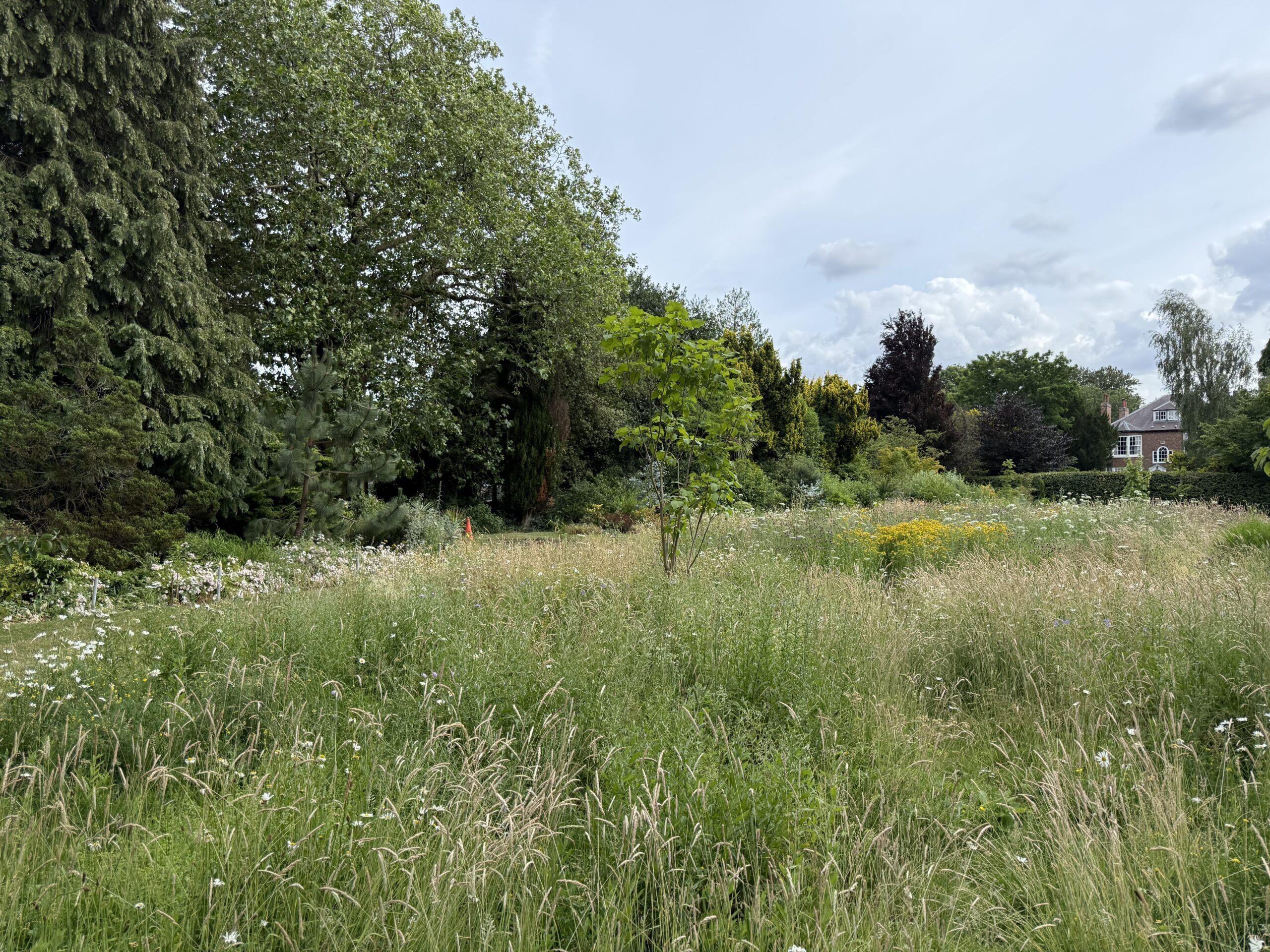
Mild and wet summers mean the UK is abundant in native wildflower species, and it is incredibly important that we treasure and protect these plants, which do a very important job supporting so many different creatures. Where a lot of the plants we choose to grow in our gardens have been changed by people and come from all over the world, wildflowers are unaltered by humans and have specially evolved to grow in the soil where we live.
There are a huge variety of British wildflowers you might see when out on a walk, or even from your car windows on a busy motorway! Why not use this free identification checklist and go on a wildflower spotting walk near you:
Foxgloves

Both beautiful and dangerous, Foxgloves (Digitalis Purpurea) are a highly recognisable native plant with tall spikes of pink or purple flowers which tends to grow in woodland, as well as meadows, verges and gardens. It is best not to touch this plant, which is commonly used in medicines to treat heart problems but can be harmful if ingested directly. However, foxgloves are highly beneficial to wildlife. In fact, foxgloves have specially evolved to support specific species of bee, with the shape of the petals allowing the bee to land before crawling inside to collect the pollen. If you watch a while in summer, you will see lots of busy bees on their rounds visiting the foxglove flowers!
Also known as witches’ gloves, goblin’s gloves and dead men’s bells, foxgloves occupy a central role in British folklore, with many of the myths focussing on the shape of the flowers, which are said to look like the fingers of a glove. Historically, it was believed that mischievous fairy folk may have gifted foxglove flowers to foxes on the prowl, softening their footsteps and allowing them to sneak up on their prey!
July’s nature connection activity –Create your own nature journal
Keeping a nature journal can be a great way to connect with the animal and plant life around you and create a stronger sense of seasonal changes across the year. Emergent research findings also suggest a link between nature journaling and wellbeing, with increased opportunities to practice mindfulness being highlighted as a key benefit (McClain et al., 2024). If you work with young children as part of a professional or volunteering organisation and would like to participate in one of our nature journaling programs, please do reach out to us at PGP Hull via the contact information here on our website.
For this activity you will need:
- Sketchbook/notebook
- Pencils
- Colouring pencils
Instructions
Go on a wildflower hunt:This could be anywhere local to you, even the verges around a car park can inhabit a wider range of species than you may realise!
Observe closely:You don’t need to know the names of the plants you are journaling about. This activity is more about noticing than knowing. Look closely at the shapes, colours and textures of the plant you are journaling about; do you notice anything different or interesting?
Engage your senses:Does your chosen plant have a scent? Do the leaves have a texture? How would you describe the colours you can see?
Make notes:You can use numbers, labels, pictures, maps, diagrams, poetry or narratives to describe what you can see.
Sketch:Remember that you are not focussing on drawing a pretty picture, you are trying to accurately record what you can see! You might like to draw parts of the plant such as leaves, petals etc separately, or from different angles.
Add details later:You can use your notes and sketches to identify and find out more about your journal entries later.


PGP Hull Diary: What’s happening next?
13th July: on the 13th the PGP team will be catching up with the first cohort of our Nature Journaling project. We simply cannot wait to hear all about what the first little nature journalists have been up to and have a look through their journals! We will also be celebrating with this group and honouring their efforts over the past few months. If you are a school/setting/community group working with young children and would like to find out more about how you can participate in the project, please contact us at ForestSchoolHull@hull.ac.uk
Maintenance throughout July:As a staff team, we’re working to beat back the bramble, and ensure all of our play equipment remains accessible to children. It’s always a battle between biodiversity and keeping our site accessible and available for use.
References:
McClain, L. R., Powell, A. E. and Bettwy, K. A. (2025) ‘Community nature journaling: wellbeing and learning outcomes for adult and youth participants’, Journal of Adventure Education and Outdoor Learning, 25(1), pp. 282–300. doi: 10.1080/14729679.2024.2425933.
Leave a Reply